What is a local-use vehicle?
A vehicle sized for the trip, not the highway.
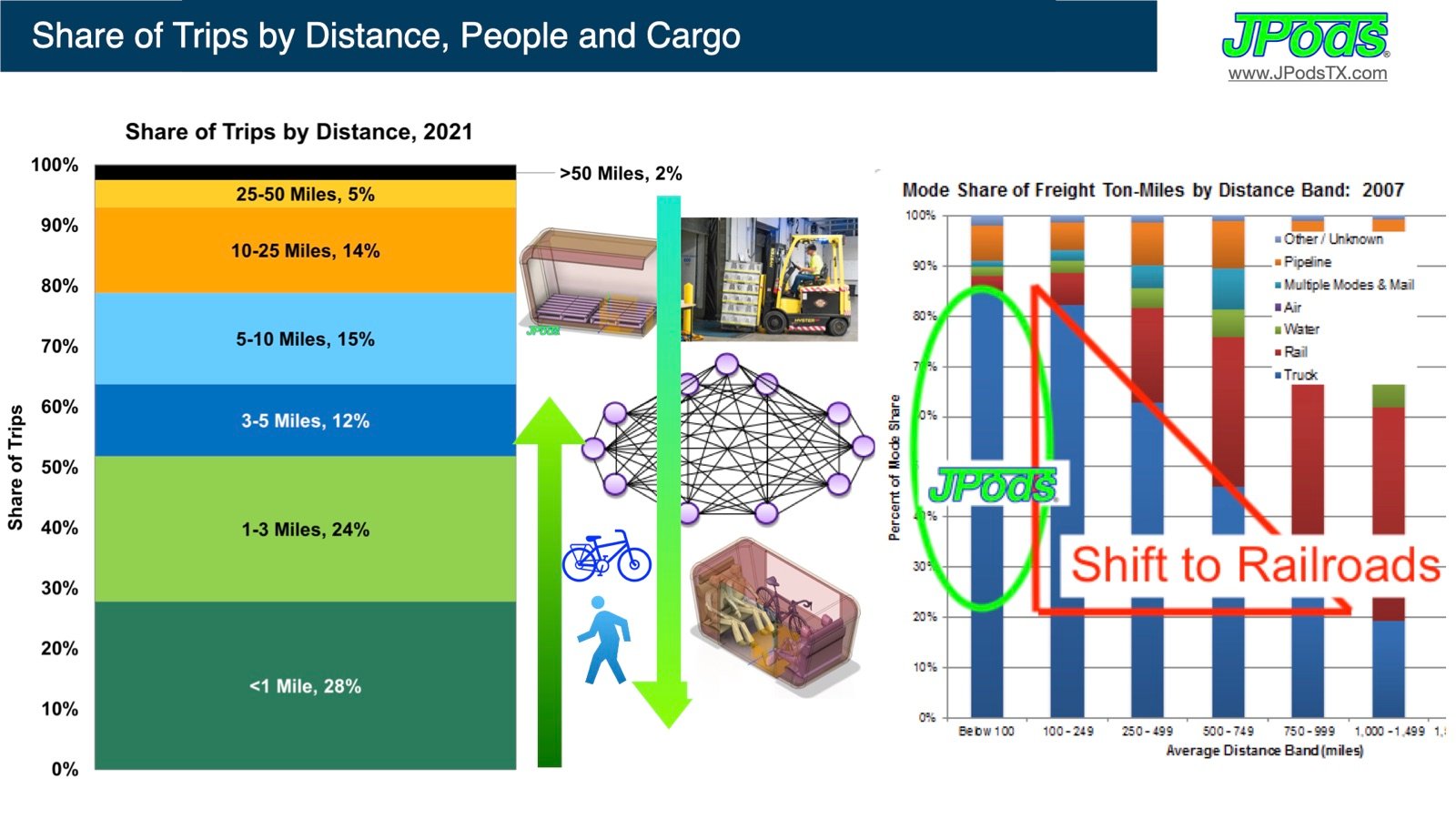
Most trips are short. A local-use vehicle is built for them: electric, light, slow enough to share the neighborhood with people on foot, and cheap enough that a household, a shop or a delivery company can own several.
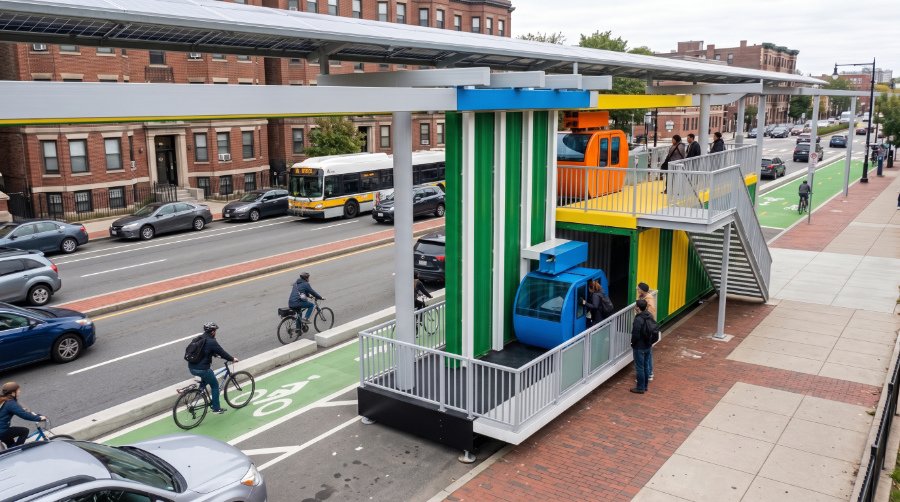
JPods uses the term in its cargo-network patent application, which names local-use vehicles as the last tier of freight delivery: “local-use vehicles (LUVs, such as pickups, vans, and cargobikes)”. The guideway carries freight across the city to a neighborhood hub. The local-use vehicle carries it to the door. See the three tiers at CargoMesh.
Cargo bikes
Electric-assist bikes with a box or rack. Parcels, groceries, children, tools.
Trikes and rickshaws
Three wheels for heavier loads and passengers, often with a covered cab.
Scooters
One rider, a small bag, and in some cities batteries swapped in seconds.
Microcars
Enclosed two-seaters for weather and errands, a fraction of a car's mass.
Neighborhood EVs
Street-legal low-speed vehicles for campuses, towns and planned communities.
Light vans and trucks
Small electric vans and pickups for trades and local delivery.
For makers
Every JPods station is a market for your vehicles.
Customers at the hub
People and freight arrive at neighborhood hubs all day. Every arrival still has a few blocks to go, and that trip is yours.
A home for the fleet
Hubs give vehicles a place to park, charge, be rented, be serviced and be seen. The guideway's solar collectors are next door.
Freight sized for you
The JPods cargo filing describes a standard subcontainer with dimensions and payload sized for the guideway and for local-use vehicles. Freight arrives ready for your cargo bay.
What you bring the network
Coverage from the station to the front door, which no guideway can reach. A JPods network without local-use vehicles leaves people and parcels at the platform. With them, every hub serves a neighborhood.
We are not building vehicles to compete with you. We want many makers, many models and many fleets, the way the Internet needed many device makers.
Fleet operators
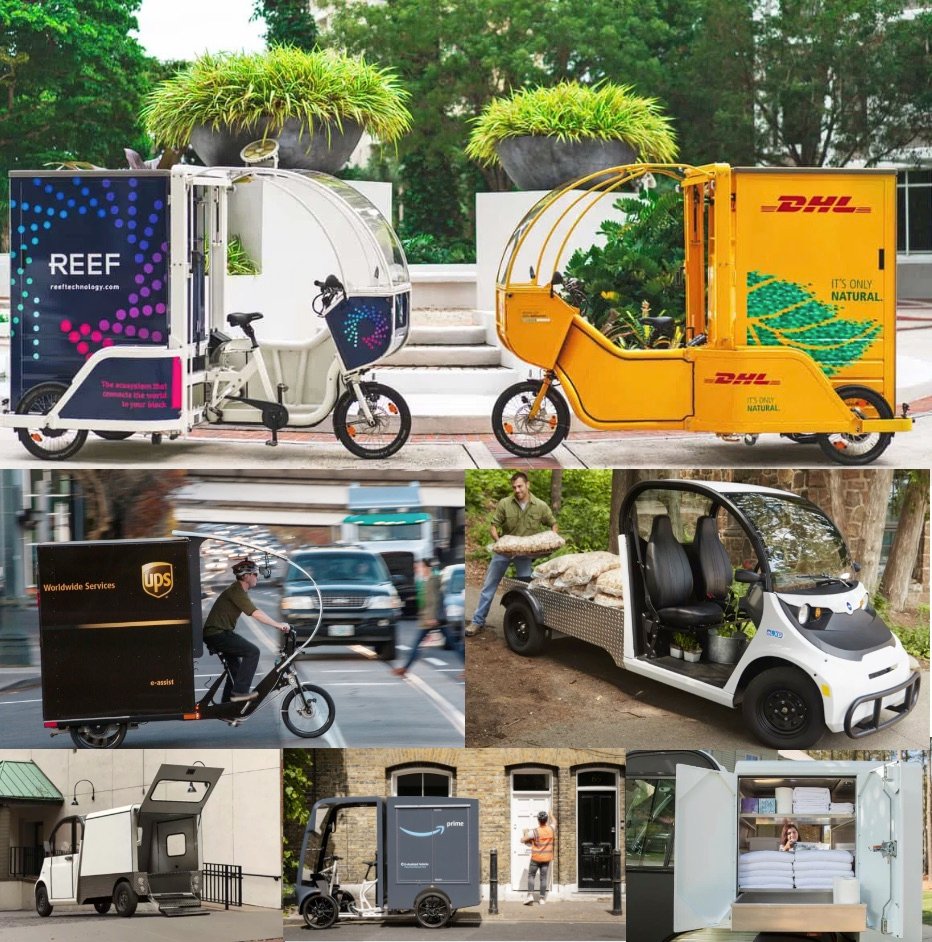
The companies already running the last mile.
Makers build the vehicles. Operators run them every day: couriers, delivery services, pedicab and hauling fleets. They are the natural tenants of a JPods hub, taking freight off the guideway and out to the street. We want to work with them too.
Operators listed as of November 2026, from their own sites and recent news. Listing is not an endorsement.
Software for dealers and fleets
Free, open-source WebClerk.
WebClerk is enterprise commerce software, free and open source under the Apache 2.0 license. A dealer, rental fleet or delivery company can run it on its own computer for inventory, rentals, service, parts, orders and payments. A larger company can keep its own systems and connect through WebClerk's API. Each business keeps its own customers, prices and data.
Twin Cities Business Monthly named WebClerk the Best New High-Tech Product of 1998, and Apple Computer invited it on two national small-business tours. The source is public at github.com/JPods/WebClerk.
Alliances
Build the last mile with us.
We are looking for makers of local-use vehicles to work with. Useful starting points:
- Be listed. Send us your current models and published specs, and we keep your catalog entry accurate.
- Fit the subcontainer. Help shape a standard subcontainer that rides the guideway and drops into your cargo bay.
- A pilot hub. Put a fleet at the first JPods stations for rental, sharing or delivery.
- A city plan. Plan a station and local-use-vehicle network together for one neighborhood, priced for the city.
- Charging from the guideway. Work out how hubs charge vehicles from the solar collectors overhead.
Write to Bill James, founder of JPods: bill.james@jpods.com
Email Bill JamesFor riders
Move the person, not the vehicle.
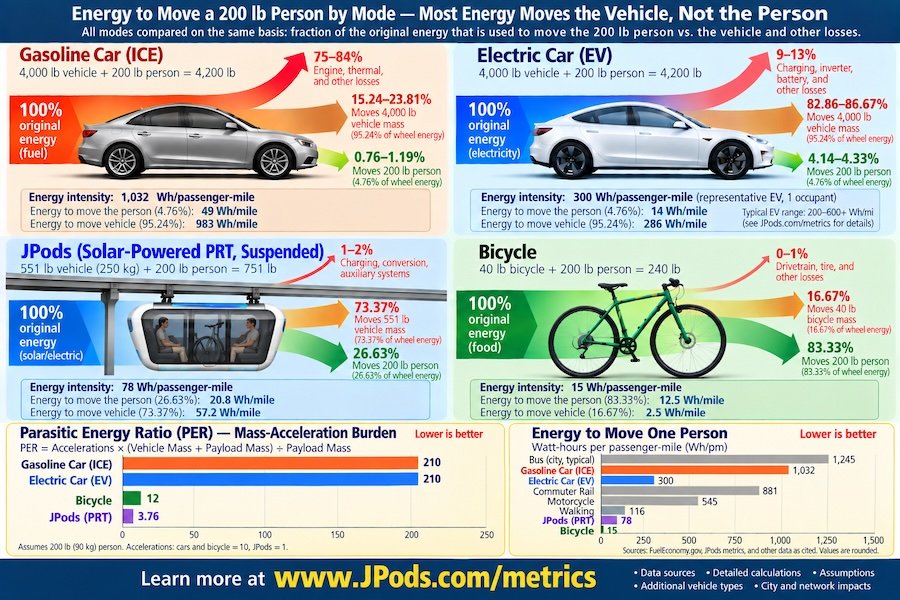
A 4,000-pound car carrying one 200-pound person spends about 95 percent of its wheel energy moving itself. A bicycle spends most of its energy moving the rider. The lighter the vehicle, the more of the energy goes to the trip.
Wh per passenger-mile, bicycle
Wh per passenger-mile, JPods
Wh per passenger-mile, electric car
Wh per passenger-mile, gasoline car
JPods metrics; sources and assumptions at JPods.com/metrics.
Catalog
Local-use vehicles you can buy or order.
Specs are as each maker publishes them, checked on the date shown. Prices and range change; follow the link for current details. A listing is not an endorsement, and no maker paid to be listed.